Tempered glass is a type of safety glass that has been heat-treated to increase its strength and durability. In architecture, tempered glass is widely used for its safety, strength, and versatility. Here's a detailed overview of how tempered glass is used in architecture, along with its advantages:
How Tempered Glass is Made
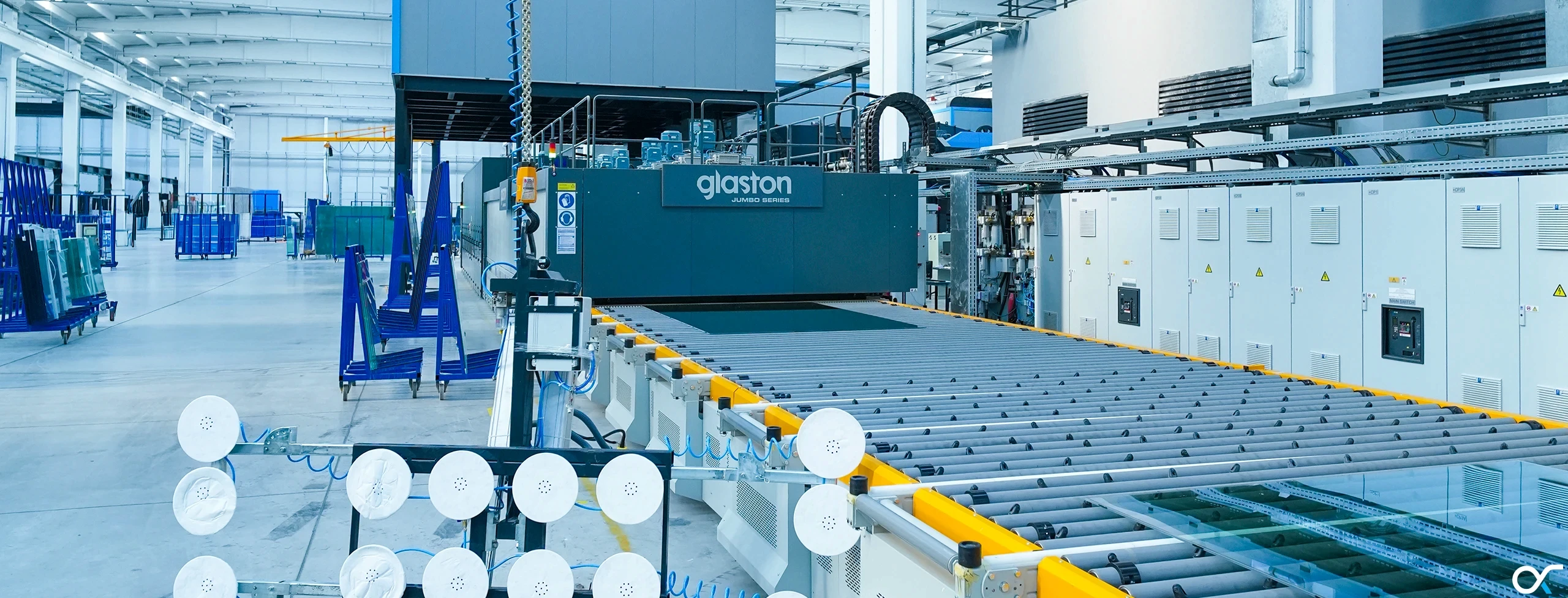
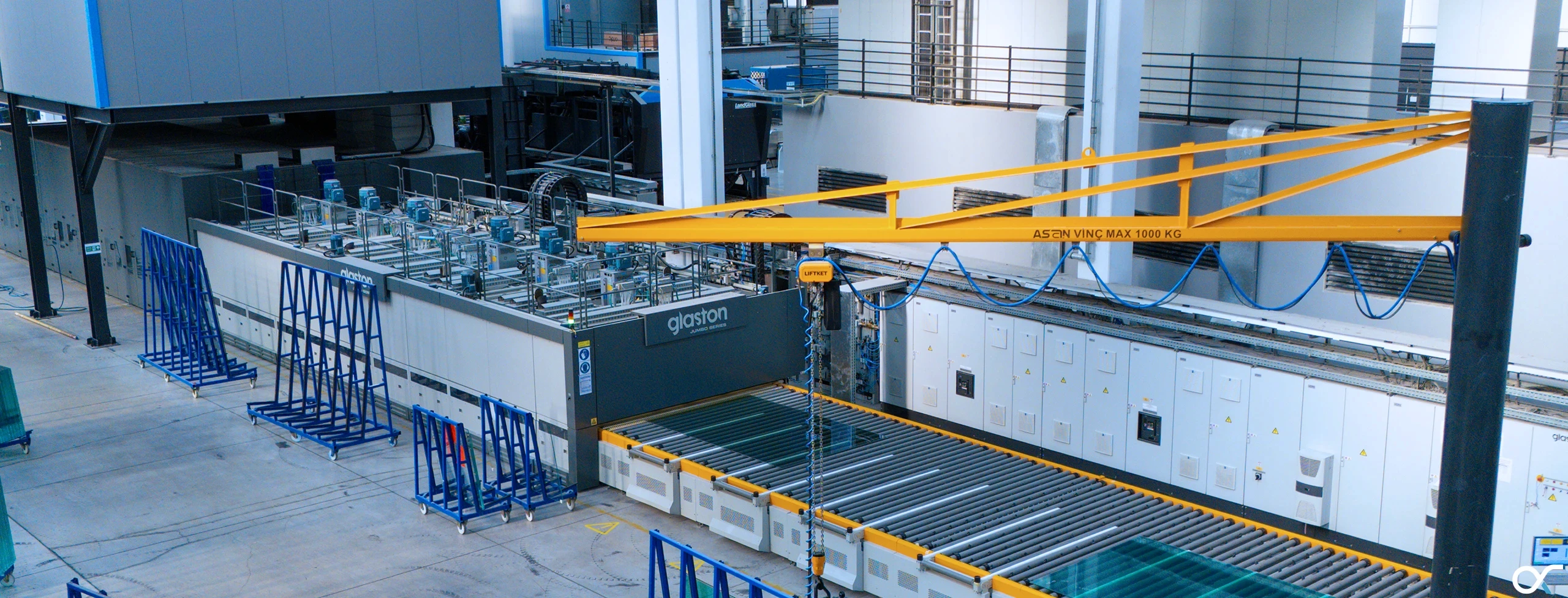
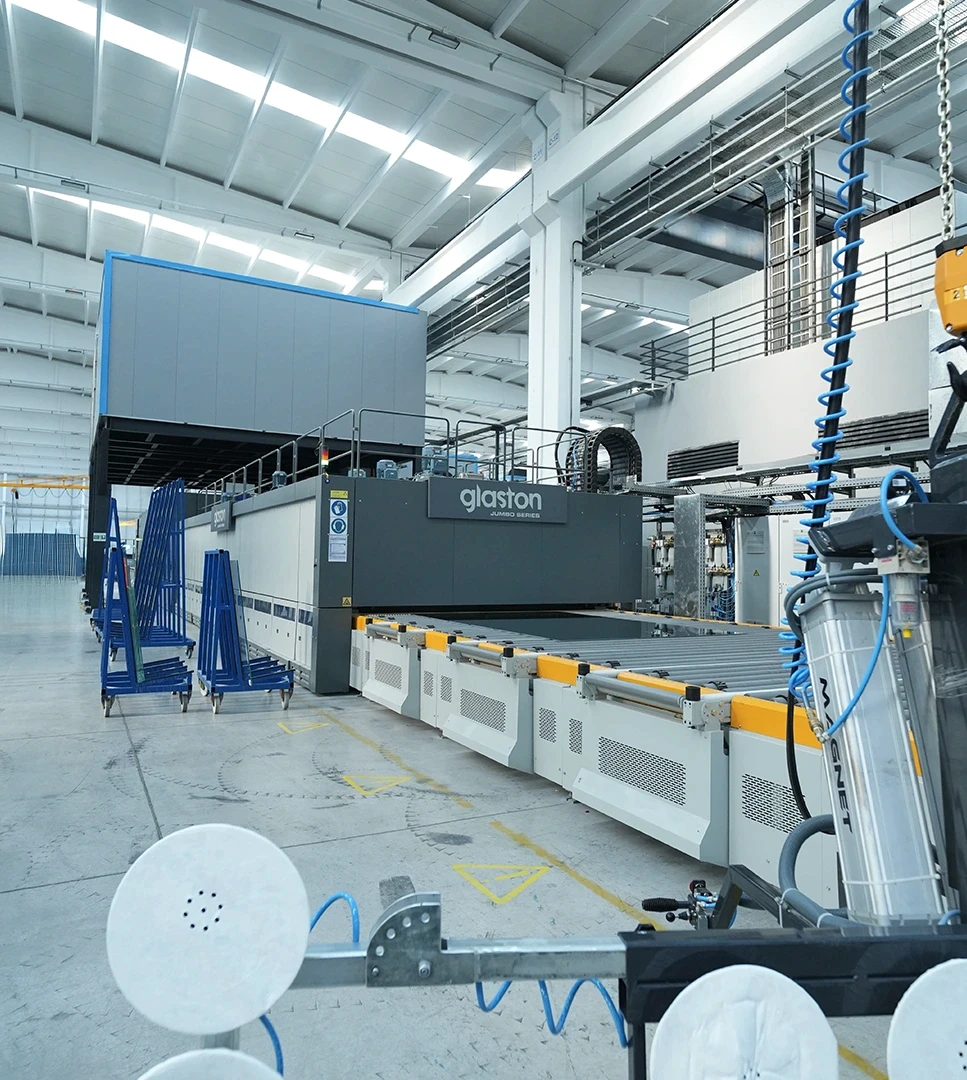
Tempered glass undergoes a process of extreme heating (up to 700°C) and rapid cooling, which makes it four to five times stronger than regular, untreated glass.When broken, tempered glass shatters into small, blunt-edged fragments instead of sharp shards, significantly reducing the risk of injury.
Architectural Applications of Tempered Glass
Glass Facades and Curtain Walls: Tempered glass is commonly used in the external facades of modern buildings. It provides both aesthetic transparency and structural safety, making it ideal for creating large glass panels without the risk of shattering.
Windows and Doors: Tempered glass is often used in windows and sliding doors, particularly in high-traffic areas or where there is a risk of impact. Its durability makes it suitable for residential, commercial, and industrial buildings.
Glass Railings and Balustrades: For balconies, staircases, and terraces, tempered glass is used in railings and balustrades. This provides clear views without compromising safety, offering a sleek, modern look.Skylights and Roof Glazing: Tempered glass is used in skylights and glass roofs to provide natural light while ensuring the structure can withstand extreme weather conditions, such as hail or heavy snow.
Glass Partitions and Walls: In offices and commercial spaces, tempered glass is used for interior partitions, creating open, light-filled environments while maintaining durability and privacy (especially when frosted or tinted).
Shower Enclosures and Bathrooms: In residential and hotel bathrooms, tempered glass is commonly used for shower doors and enclosures because of its ability to resist heat and break safely if shattered.
Storefronts and Display Windows: Retail stores use tempered glass for storefront windows and displays to ensure the glass can resist impacts (such as from heavy objects) while offering clear views to showcase products.
Advantages of Tempered Glass in Architecture
Strength and Durability
Increased Strength: Tempered glass is much stronger than regular glass, making it ideal for applications where structural integrity is important. It can withstand high wind pressures, making it suitable for high-rise buildings and areas prone to storms.
Impact Resistance: It resists impact better than standard glass, making it useful in high-traffic areas like shopping malls, train stations, and sports facilities where safety is a priority.
Safety:Shatter-Resistant: When tempered glass breaks, it shatters into small, blunt pieces that are less likely to cause injury. This makes it suitable for areas with public access, schools, and homes, particularly for windows, doors, and facades.
Compliance with Safety Codes: Tempered glass is often required by building codes in specific architectural applications, such as balconies, doors, glass partitions, and facades, to ensure the safety of occupants.
Thermal Resistance
Heat Resistance: Tempered glass can withstand extreme temperature variations better than regular glass. This makes it ideal for skylights, exterior windows, and curtain walls, especially in areas exposed to the sun, as it can resist cracking due to thermal stress.
Fire Resistance: While it is not fireproof, tempered glass is often used in fire-rated glass assemblies (with other materials) to help contain fires and allow for emergency exits in commercial and public buildings.
Aesthetic and Design Flexibility
Transparency and Minimalism: Tempered glass provides clear views and allows for the creation of seamless, open spaces in both interior and exterior design. It supports modern, minimalist architecture, where large glass panels are used to create transparency and a connection between indoor and outdoor spaces.
Customizable Finishes: It can be frosted, tinted, or laminated with different colors and textures to achieve various aesthetic and privacy effects, allowing architects to tailor it to specific design goals.
Versatility in Application
Versatile Use: Tempered glass can be used in various parts of a building, from curtain walls to doors, partitions, skylights, and even floors. Its ability to be used in both load-bearing and non-load-bearing applications makes it a valuable material for many architectural features.
Custom Shapes and Sizes: Tempered glass can be cut, bent, and shaped into custom designs before the tempering process, making it adaptable for complex architectural forms like curved glass walls or unusual window shapes.
Weather and UV Resistance
Weather Resistance: Tempered glass is highly resistant to environmental conditions, such as wind, rain, and temperature changes. Its strength makes it particularly useful in severe weather conditions and coastal areas.
UV Protection: Some tempered glass types are treated with coatings that block harmful UV rays, helping protect interiors from fading while maintaining natural light.
Sustainability and Environmental Impact
Energy Efficiency: When combined with insulated glass units (IGUs) or low-E coatings, tempered glass contributes to the overall energy efficiency of a building by reducing heat transfer and improving insulation. This lowers energy consumption for heating and cooling.
Recyclability: Tempered glass is recyclable, making it a sustainable option in the long term. Its use in energy-efficient buildings can also contribute to achieving green building certifications such as LEED.