Laminated Glass Production Lines
Laminated Glass Production Lines
40+ years of experience
Selected as the Best Glass Manufacturer of 2025
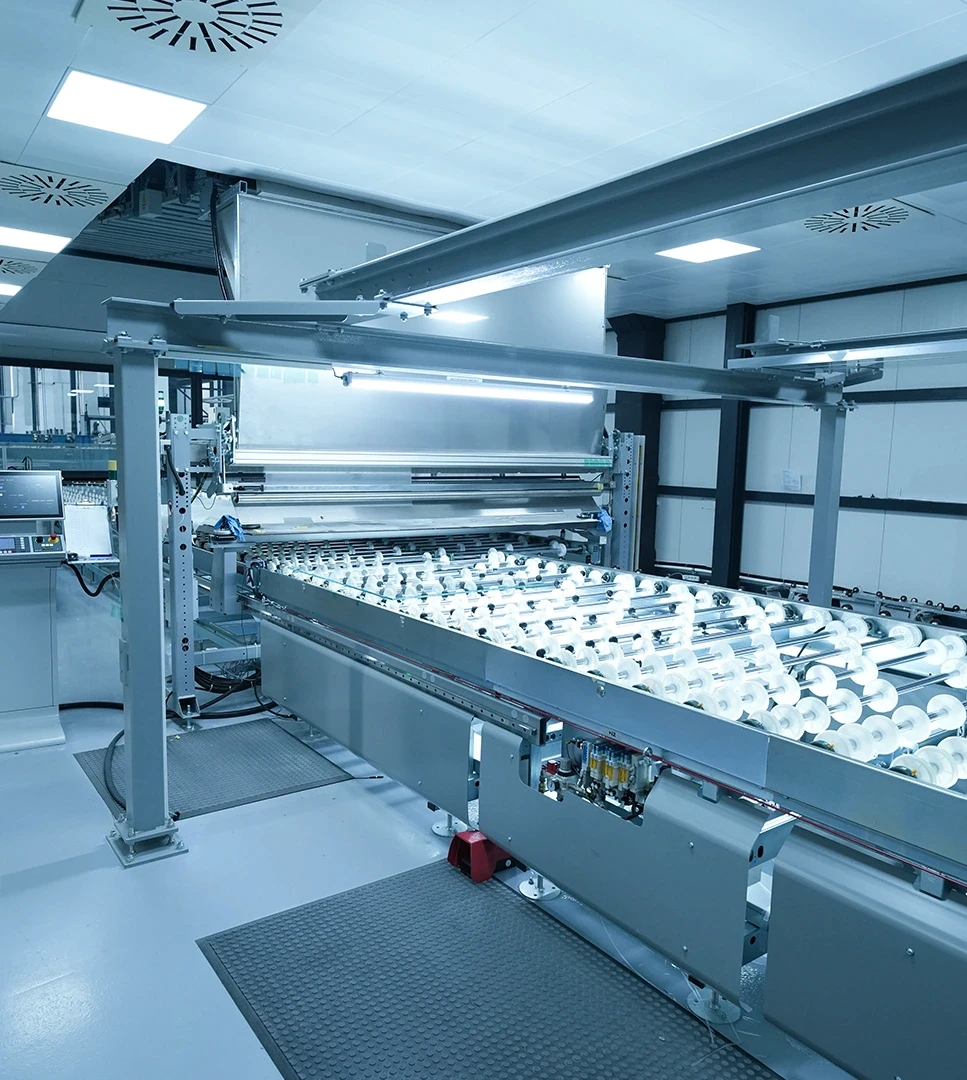
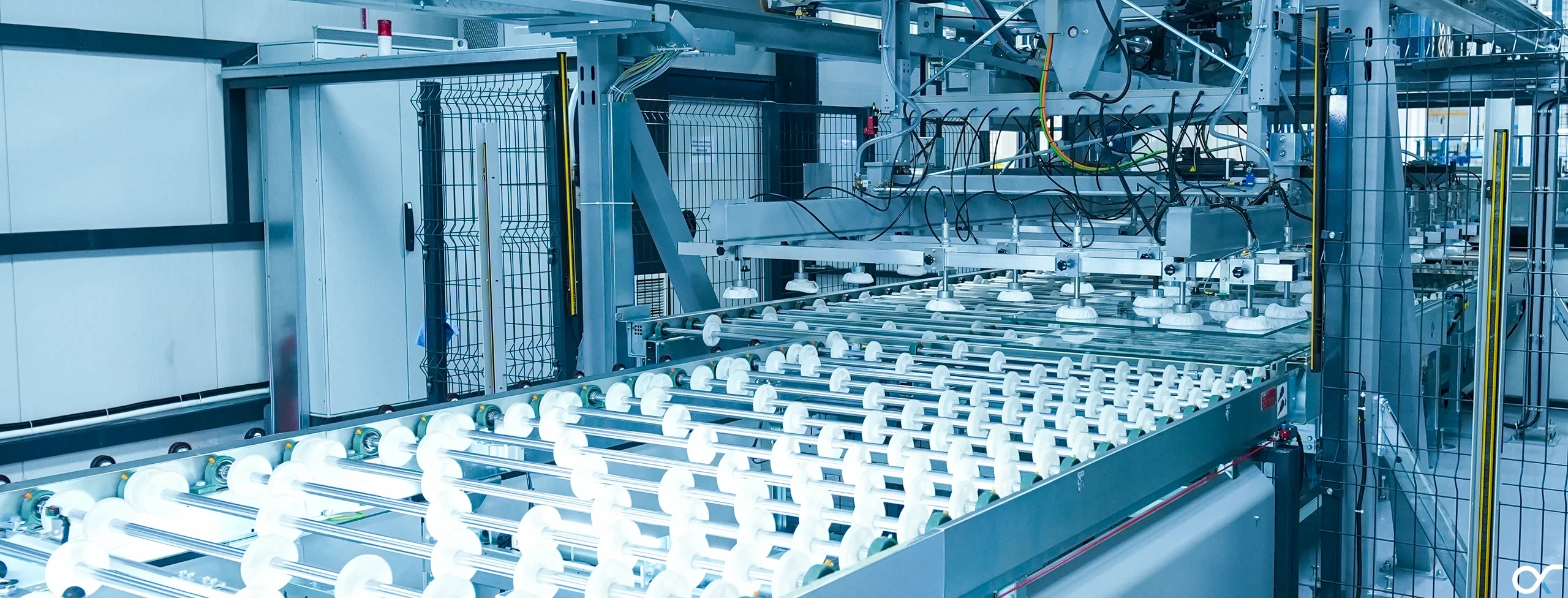
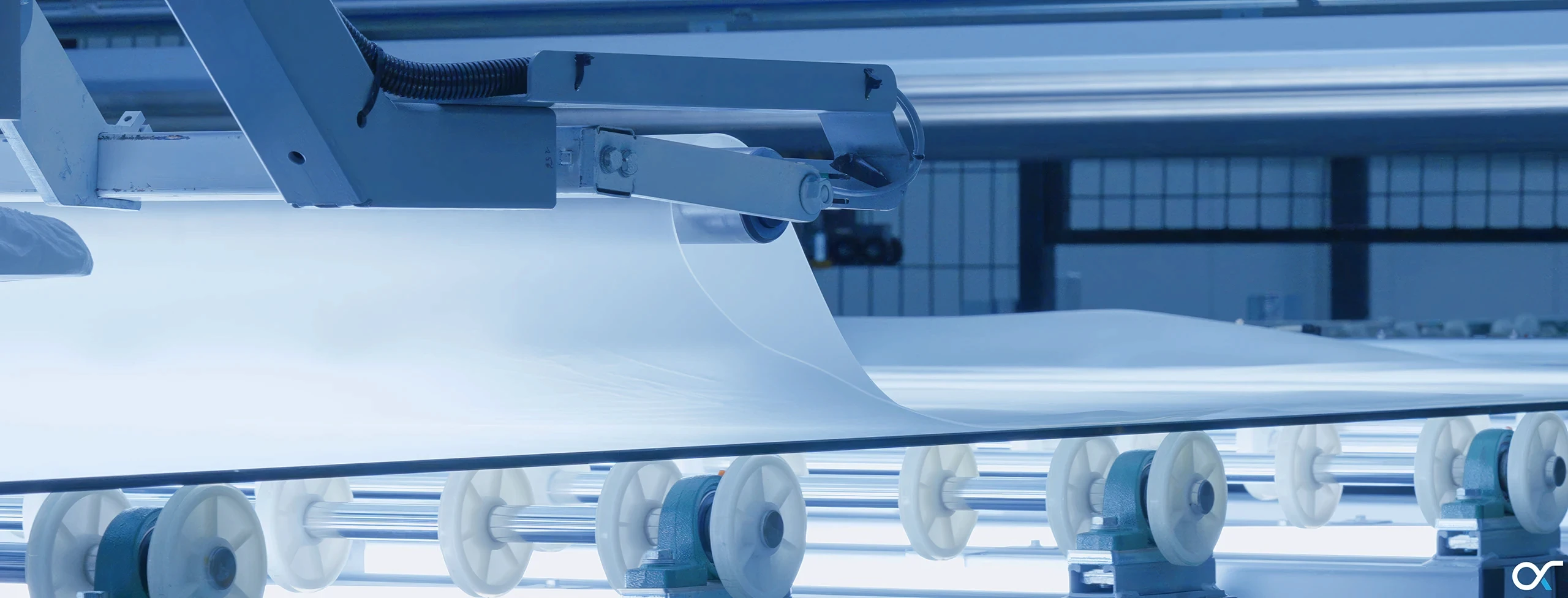
Laminated glass is a safety glass made by bonding two or more layers of glass with a plastic interlayer, typically polyvinyl butyral (PVB) or ethylene-vinyl acetate (EVA). This process enhances the glass's strength and prevents it from shattering into sharp, dangerous pieces when broken, making it highly valuable in architectural applications.
Here’s a detailed overview of the use of laminated glass in architecture, along with its advantages and applications:
How Laminated Glass is Made
Laminated glass consists of two or more layers of glass that are bonded with a plastic interlayer through heat and pressure. If the glass breaks, the interlayer holds the shards in place, preventing them from scattering and reducing the risk of injury.
Architectural Applications of Laminated Glass:Glass Facades and Curtain Walls
Laminated glass is frequently used in the external facades of modern buildings, especially skyscrapers. It provides both structural integrity and safety, while allowing large, transparent surfaces.
Skylights and Overhead Glazing: Laminated glass is a popular choice for skylights and glass roofs because, in the event of breakage, the glass remains intact. This makes it safe for overhead applications.
Balustrades and Railings: Laminated glass is widely used for balcony railings, staircase balustrades, and other elevated areas where safety is critical. It provides clear views without compromising safety.
Soundproofing Windows: In environments where sound control is essential (such as offices, schools, or hotels), laminated glass with special acoustic interlayers can reduce noise transmission, making it a top choice for soundproof windows.
Glass Partitions and Interior Walls: Laminated glass is also used in interior partitions and office dividers to create open, light-filled spaces while ensuring safety and privacy.
Security Glass: Laminated glass is used in security applications such as bank windows, government buildings, and storefronts. It can resist impacts from break-ins, bullets, and explosions, providing an added layer of security.
Advantages of Laminated Glass in Architecture
Safety:Shatter Resistance: Laminated glass is designed to remain intact even when broken. The plastic interlayer holds the fragments in place, reducing the risk of injury from sharp glass shards. This makes it ideal for high-traffic areas, public buildings, and places where safety is a priority, like schools and hospitals.Impact Resistance: Laminated glass is stronger than regular glass, providing added protection in the event of natural disasters (such as hurricanes or earthquakes), vandalism, or accidental impacts.
Security:Intrusion Resistance: Laminated glass can be used in security windows and doors, as it is more difficult to penetrate than regular glass. Even after being struck, the interlayer prevents the glass from breaking apart easily, providing additional time for security measures.Bullet and Blast Resistance: Specialized laminated glass can be designed to resist bullets, explosions, and other forms of attack, making it an essential component in banks, government facilities, jewelry stores, and other high-security environments.
Soundproofing:Acoustic Insulation: The plastic interlayer in laminated glass provides acoustic dampening, which helps reduce noise transmission. This makes it ideal for use in urban environments, offices, airports, hotels, and conference rooms where sound control is important.
UV Protection:UV Filtering: Laminated glass can block up to 99% of harmful UV rays, protecting building interiors from fading and sun damage. This is particularly useful in art galleries, museums, retail spaces, and homes, where sunlight can damage furniture, artwork, and other valuables.
Energy Efficiency:Solar Control: Laminated glass can be treated with low-emissivity (low-E) coatings or tinted interlayers to reduce solar heat gain, improving the building’s energy efficiency. This is especially important in hot climates, where managing heat from sunlight can significantly reduce cooling costs.Thermal Insulation: Laminated glass can be used in insulated glass units (IGUs) to improve thermal performance. When combined with other energy-efficient technologies, laminated glass can help buildings achieve green building certifications such as LEED.
Aesthetic Versatility:Color and Texture Customization: Laminated glass can be made with colored interlayers, tinted or frosted finishes, and even patterned designs. This allows architects to achieve unique visual effects while maintaining the safety and structural benefits of laminated glass.Transparency and Open Spaces: Laminated glass enables the creation of large, transparent spaces without compromising on safety or functionality. It is a popular choice in modern, minimalist architecture where openness and natural light are prioritized.
Key Architectural Applications
Facades and Curtain Walls:Laminated glass is often used in building facades and curtain wall systems, providing a strong, durable exterior that maintains transparency and safety. In case of strong impacts or natural disasters, the glass will remain intact, reducing the risk of falling shards.
Skylights and Roof Glazing:Skylights and overhead glazing are common uses of laminated glass due to its strength and safety in overhead applications. Even if broken, the glass stays in place, preventing accidents in public areas.
Glass Railings and Balconies:Laminated glass is frequently used for balconies, terraces, and staircase railings. It offers clear, unobstructed views while maintaining safety, especially in high-rise buildings or areas where a fall risk is present.
Safety Glass for High-Risk Areas:For buildings in areas prone to earthquakes, hurricanes, or vandalism, laminated glass is often required due to its ability to withstand strong impacts. Its safety features ensure that it stays intact even under extreme conditions.
Office Partitions and Interior Walls:Laminated glass is used to create interior partitions and walls that are both visually open and soundproof. This application is popular in offices, commercial spaces, and conference rooms, where privacy and noise control are important without sacrificing the open, airy feel of glass.
Soundproof Windows:Laminated glass is an excellent choice for soundproofing in urban environments, near airports, or in noisy commercial areas. The interlayer reduces sound transmission, making it ideal for creating quieter, more comfortable spaces.
Sustainability and Environmental Impact:Energy-Efficient Solutions
Laminated glass can be combined with insulated glass units and low-E coatings to reduce energy consumption, making buildings more sustainable.Long-Term Durability Laminated glass has a longer lifespan than traditional glass and can withstand environmental wear, reducing the need for frequent replacements.
Recyclability: Although laminated glass is more complex to recycle than regular glass, the glass and interlayer materials can be separated and recycled, contributing to sustainable building practices.
Limitations of Laminated Glass
Higher Cost: Laminated glass can be more expensive than standard glass due to its manufacturing process and added safety features. However, its long-term durability and safety benefits often justify the cost.Thicker and Heavier: Laminated glass is generally thicker and heavier than regular glass, which may require stronger framing systems or structural support in architectural designs.